Comprehensive Introduction to Mobile App Development
Developing a successful mobile app from scratch is a complex process requiring precise planning and professional execution. In a world with over 6.8 billion smartphone users, more than 250 billion apps are downloaded annually from various app stores. This comprehensive guide will take you through all essential stages of developing a successful mobile app, from initial concept to launch and ongoing maintenance.
Market Research and Competitor Analysis
Understanding Target Market Needs
Market research is the foundation of any successful mobile app. Statistics show that 70% of apps fail due to inadequate understanding of user needs.
Effective Market Research Steps:
- Precisely define target audience (age, gender, interests)
- Analyze problems faced by users
- Measure potential market size and purchasing power
- Assess demand for the proposed app type
Competition Analysis and Differentiation
With over 3.5 million apps in Google Play Store alone, understanding competition is vital:
- Analyze Similar Apps: Study strengths and weaknesses
- Evaluate Pricing Strategies: Understand different revenue models
- Review User Ratings: Identify market gaps
- Define Differentiation Elements: What will make your app different?
Strategic Project Planning
Defining App Objectives and Success Metrics
SMART Goals:
- Specific: Clear and defined functions
- Measurable: Clear performance indicators
- Achievable: Realistic objectives
- Relevant: Serves user needs
- Time-bound: Clear timeline
Choosing the Right Platform
Global Platform Statistics:
- Android: 71% of global market share
- iOS: 28% of global market share
- Other platforms: 1%
Platform Selection Factors:
- Target audience and geographical region
- Available development budget
- Technical complexity of the app
- Launch strategy (single or multi-platform)
User Experience Design (UX/UI)
Successful User Experience Principles
User experience affects 88% of users' decisions to continue using or delete an app.
Essential Elements for Excellent UX:
#### Simplicity and Clarity
- Clean and uncomplicated interface
- Logical content organization
- Use of universally understood icons
#### Speed and Performance
- Loading time not exceeding 3 seconds
- Smooth transitions between screens
- Immediate response to actions
Attractive User Interface Design
Modern UI Design Trends:
- Material Design 3 for Android apps
- Human Interface Guidelines for iOS apps
- Colors and Fonts: Consistent choice reflecting brand identity
- Animations: Enhancing interaction without excess
Itqan Integrated Solutions emphasizes the importance of involving users in the design process through early user testing sessions.
Technical Development and Programming
Choosing Appropriate Technologies and Tools
#### Native App Development
Native Development Advantages:
- Better performance and high speed
- Full access to device features
- Optimized user experience for the platform
Languages and Tools:
- Android: Kotlin/Java with Android Studio
- iOS: Swift/Objective-C with Xcode
#### Hybrid Development
Popular Solutions:
- React Native: Used by Facebook and Uber
- Flutter: Google's modern technology
- Ionic: Suitable for simple apps
Software Architecture and Technical Structure
Modern Design Patterns:
- MVVM (Model-View-ViewModel): Separating business logic from interface
- Clean Architecture: Maintainable and scalable structure
- Repository Pattern: Efficient data management
Integrated Technical Architecture:
- Frontend: Interactive user interface
- Backend: Servers and databases
- API: Integration of different services
- Security: Data encryption and authentication
Testing and Quality Assurance
Comprehensive Testing Strategies
The cost of fixing bugs increases 100 times after app launch compared to the development phase.
#### Essential Testing Types
Functional Testing:
- Testing all features and functions
- Ensuring links and buttons work
- Testing complete user flow
Performance Testing:
- Measuring response speed
- Testing memory and battery consumption
- Stress testing performance
Compatibility Testing:
- Testing on various devices
- Testing different OS versions
- Testing different screen sizes
Testing with Real Users
Effective Beta Testing:
- Selecting diverse user groups
- Providing clear feedback channels
- Carefully analyzing data and comments
- Making improvements based on results
Publishing and Launch Strategies
Preparing App for Publication
Google Play Store Requirements:
- High-resolution app icon (512x512 pixels)
- Screenshots (at least 2, up to 8)
- Engaging description (up to 4000 characters)
- Privacy policy (mandatory)
App Store (iOS) Requirements:
- App icon (1024x1024 pixels)
- Screenshots for all supported device sizes
- Copyright information
- Age rating information
Marketing and Launch Strategies
#### App Store Optimization (ASO)
Ranking Factors:
- Title: Must contain keywords
- Description: Natural use of keywords
- Ratings: Maintain high rating (4+ stars)
- Downloads: Increase daily download rate
#### Digital Marketing Strategies
- Social Media: Building community around the app
- Content Marketing: Educational articles and videos
- Partnerships: Collaboration with influencers and brands
- Paid Advertising: Google Ads and Facebook Ads
Maintenance and Continuous Improvement
Performance Analysis and Monitoring
Key Performance Indicators (KPIs):
#### Engagement Metrics
- Retention Rate: Percentage of returning users
- Day 1: 25% good rate
- Day 7: 11% good rate
- Month 1: 4% good rate
- Average Session Duration: Time spent in app
- Screen Views: Interaction depth
#### Technical Performance Metrics
- Loading Time: Should be less than 3 seconds
- Error Rate: Should be less than 1%
- Battery Consumption: Continuous monitoring
Updates and Continuous Development
Effective Update Strategy:
- Security Updates: At least monthly
- Bug Fixes: As soon as discovered
- New Features: Based on user feedback
- Performance Improvements: Quarterly review
Itqan Integrated Solutions provides maintenance and continuous development services to ensure your app stays ahead and maximizes investment returns.
Common Challenges and Solutions
Technical Challenges
#### Slow Performance Issues
Common Causes:
- Loading unoptimized high-resolution images
- Inefficient API calls
- Unoptimized local databases
Practical Solutions:
- Image compression and progressive loading optimization
- Implementing smart caching for data
- Using Lazy Loading techniques
#### Device Compatibility
Challenges:
- Variety of screen sizes (from 4 inch to 7+ inch)
- Different processor and memory capabilities
- Various OS versions
Solution Strategies:
- Responsive Design
- Testing on most common devices (80/20 rule)
- Code optimization for limited-spec devices
Marketing and Business Challenges
#### User Acquisition Difficulties
Concerning Statistics:
- 80% of apps are deleted within 3 days
- Average cost per user acquisition: $2-5
- Only 0.5% of apps achieve real financial success
Success Strategies:
- Excellent Onboarding: Smooth and helpful welcome experience
- Clear Value Proposition: Immediate benefit for users
- Early Marketing: Building waiting list before launch
- Referrals and Recommendations: Incentive programs for existing users
Future Trends in App Development
Emerging Technologies
#### Artificial Intelligence and Machine Learning
Practical Applications:
- Smart Personalization: Unique experience for each user
- Chatbots: 24/7 customer service
- User Behavior Prediction: Proactive experience improvement
- Natural Language Processing: More natural interaction
#### Internet of Things (IoT)
- Smart Home Apps: Controlling home devices
- Digital Health: Monitoring vital signs
- Connected Cars: Smart mobility apps
- Smart Cities: Digital government services
#### Mixed Reality Technologies
Augmented Reality (AR):
- Interactive product experiences
- Immersive education and training
- Interactive games
Virtual Reality (VR):
- Virtual professional training
- Virtual tourism
- Psychological therapy and rehabilitation
Sustainable and Ethical Development
#### Privacy and Security
Modern Trends:
- Privacy by Design: Building privacy into core design
- Zero Trust Architecture: No default trust in any element
- Local Data: Reducing sensitive data transfer
- Complete Transparency: Clearly informing users about data usage
#### Environmental Sustainability
- Battery Consumption Optimization: More efficient code
- Data Usage Reduction: Compression and transfer optimization
- Green Cloud Computing: Using environment-friendly servers
Long-term Success Tips
Building Strong Development Team
Essential Roles:
- Frontend Developer: $15,000-30,000 annually
- Backend Developer: $18,000-35,000 annually
- UX/UI Designer: $12,000-25,000 annually
- Product Manager: $20,000-40,000 annually
- Quality Tester: $10,000-20,000 annually
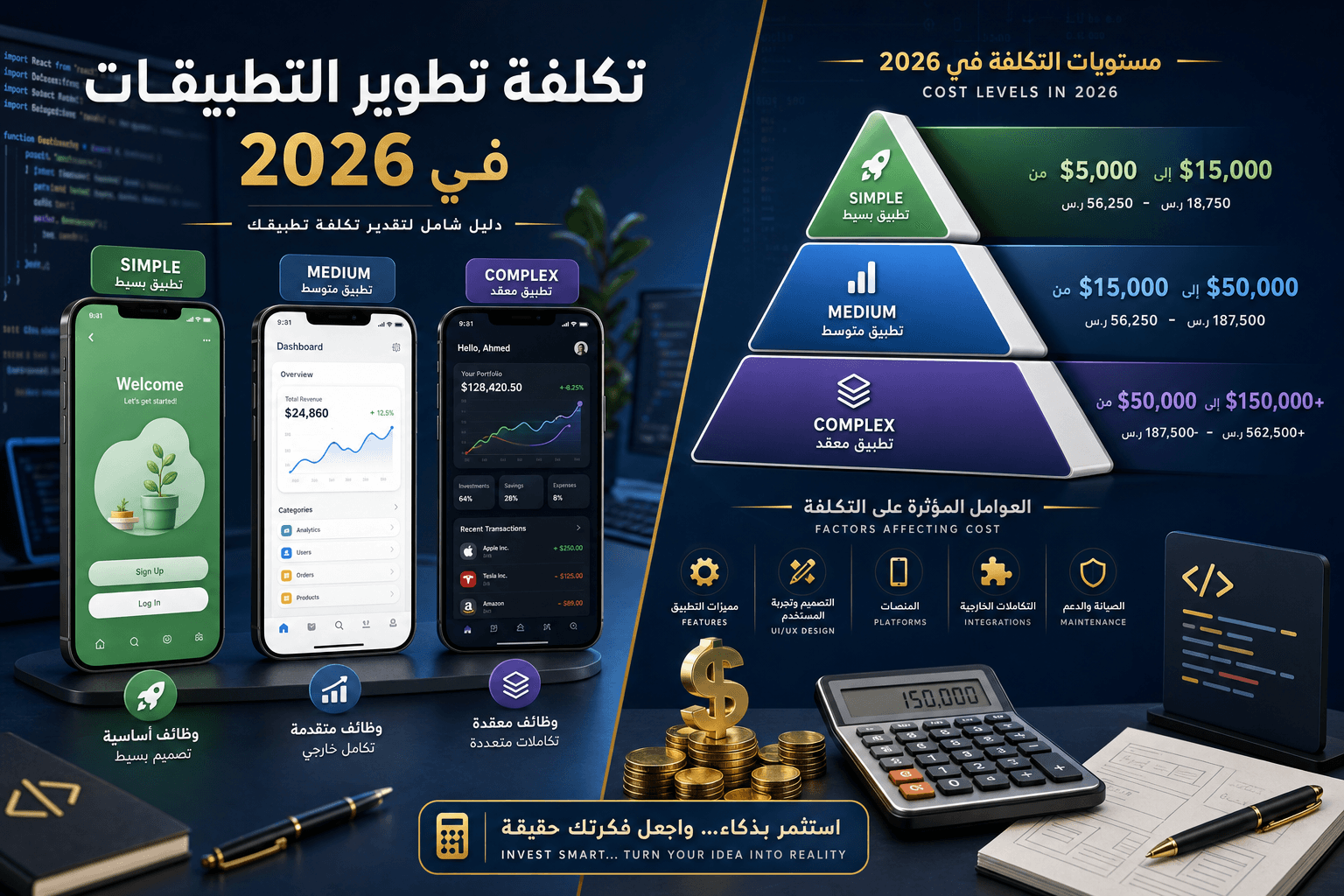
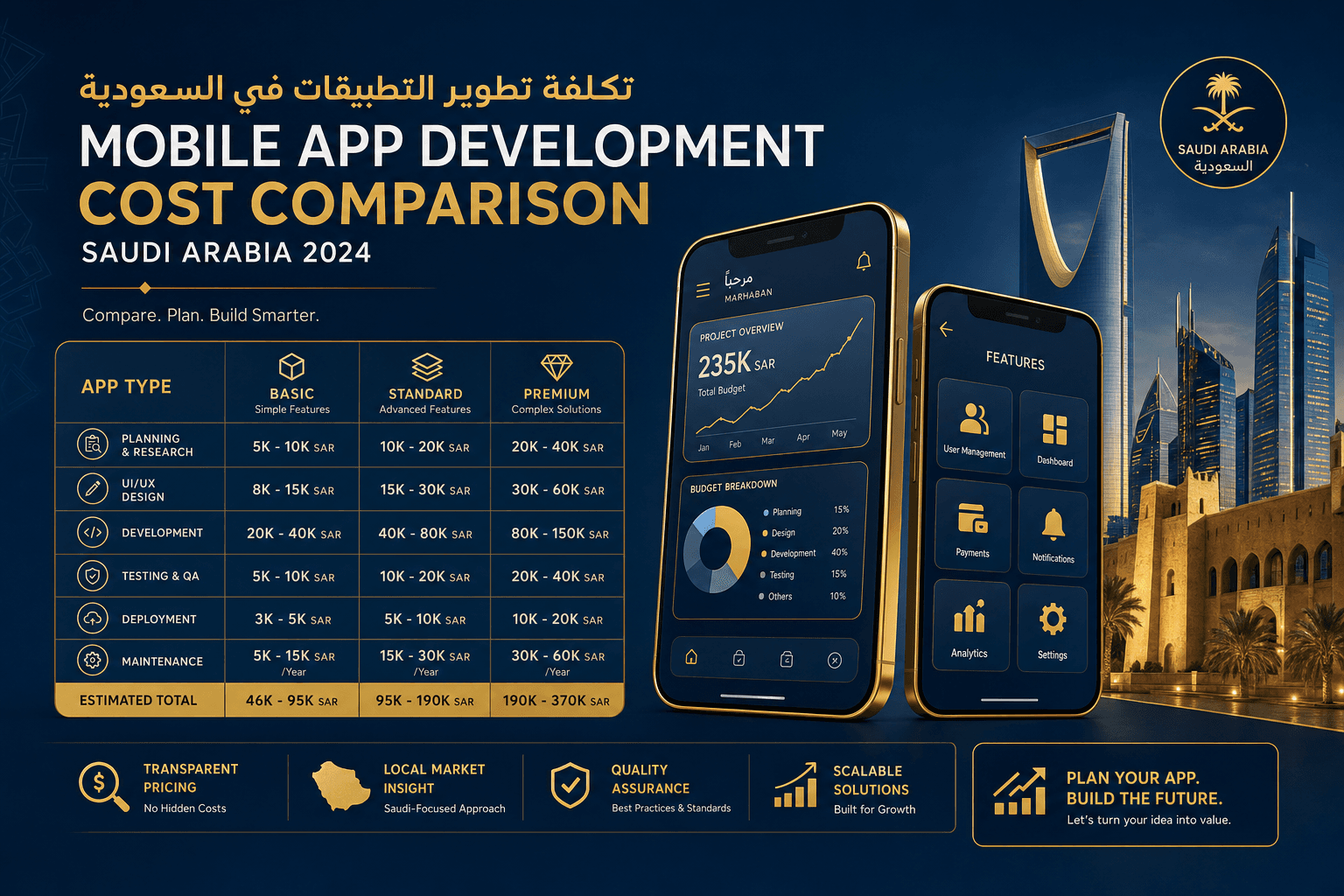
Smart Budget Management
Optimal Budget Distribution:
- Technical Development: 40-50%
- Design and Experience: 15-20%
- Testing and Quality Assurance: 10-15%
- Marketing and Launch: 20-25%
- Emergency and Continuous Development: 10-15%
Cost-Saving Tips:
- Using open-source solutions when possible
- Progressive development (MVP first)
- Utilizing specialized local teams
- Precise planning to avoid rework
Itqan Integrated Solutions helps companies optimize development budgets through smart strategies and phased development approaches.
Conclusion and Next Steps
Developing a successful mobile app is a complex journey requiring precise planning and professional execution. Success doesn't come from technology alone, but from deep understanding of user needs and providing real solutions to their problems.
Critical Steps to Start:
Need Expert Help Developing Your App?
The Itqan Integrated Solutions team has deep experience in developing successful apps for companies in Egypt and Saudi Arabia. We offer free consultation to evaluate your project idea and create a customized development plan ensuring maximum return on investment.
Book your free consultation today and turn your idea into a successful app!